Source Disposable Absorbent Underarm Sweat Pads for Collar, Armpit, and Body Use
Compare 30 listings of disposable absorbent underarm sweat pads designed for collar protection, armpit sweat absorption, and general body care. Buyers can review specifications like size, material, and packaging options from verified suppliers.
Key considerations
Products List


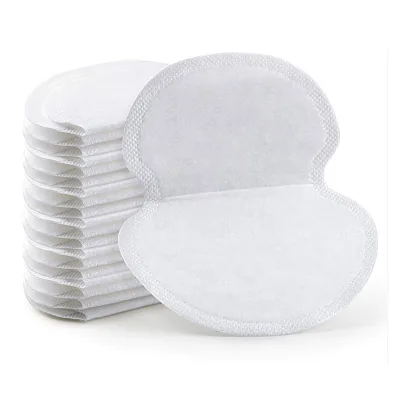
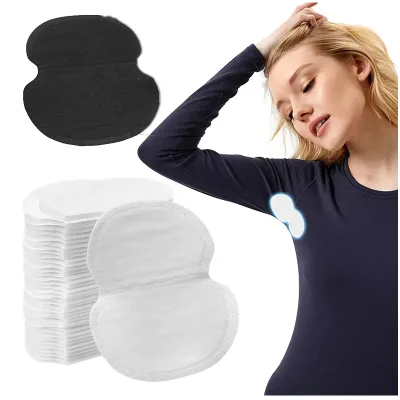
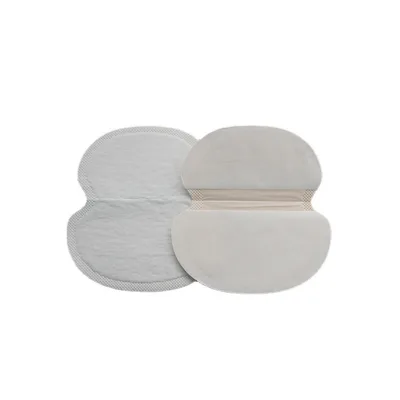





Comprehensive Sourcing Guide
Strategic Sourcing Guide for Disposable Absorbent Underarm Sweat Pads
The global demand for personal hygiene and garment protection has elevated the category of disposable absorbent underarm sweat pads to a critical segment within the broader non-woven and textile accessories market. For procurement professionals, sourcing these items requires a nuanced understanding of material science, supply chain logistics, and regulatory compliance. Unlike general consumer goods, these pads serve a dual function: they protect high-value clothing from perspiration stains while maintaining personal comfort. This guide provides a structured approach to evaluating suppliers, analyzing product specifications, and mitigating risks in the procurement of disposable underarm sweat pads.
Technical Specifications and Material Composition
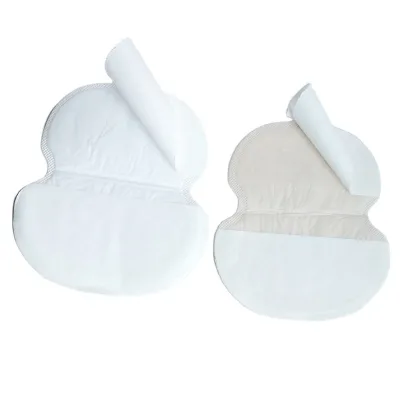
The foundation of a successful procurement strategy lies in a precise definition of technical specifications. The market offers a variety of configurations, but the core functionality relies on the absorption and breathability of the materials used. Based on observed product attributes, the standard material composition typically involves a multi-layer structure comprising non-woven fabric, air-laid paper, and a polyethylene (PE) film backing. The non-woven layer serves as the primary contact surface, offering a soft texture that minimizes skin irritation, while the air-laid paper provides the necessary absorbency capacity for sweat. The PE film acts as a moisture barrier, preventing liquid from penetrating to the garment's collar or armpit area.
Dimensions are a critical differentiator in this sector. Procurement teams must verify that the supplier can meet specific size requirements, as the fit directly impacts user comfort and efficacy. Observed standard dimensions in the market include measurements such as 12.5 cm by 11 cm, 26.5 cm by 7.7 cm, and various millimeter-based configurations like 95mm x 110mm or 110mm x 125mm. The flexibility to customize these dimensions is often a key requirement for brands targeting specific garment cuts or demographic preferences. Furthermore, the adhesive quality is paramount; the pad must adhere securely to the inside of the garment without leaving residue upon removal. Buyers should explicitly request samples to test the adhesive strength and the "softness" of the product, as attributes like "convenient, sanitary, and soft" are subjective but essential for user satisfaction.
Compliance, Certification, and Safety Standards
In the medical and personal care sectors, regulatory compliance is non-negotiable. While underarm sweat pads are often classified as general sanitary supplies, many manufacturers align their production with medical device standards to ensure quality and safety. A high-confidence observation in the current market indicates that reputable suppliers often hold certifications such as CE and ISO 13485. These certifications suggest that the manufacturing process adheres to strict quality management systems and safety protocols required for medical and hygiene products.
Buyers must verify the sterilization status of the products. Some suppliers explicitly state that their products are produced "without Ethylene Oxide Sterilization," which is a significant differentiator for buyers concerned about chemical residues or specific regulatory environments that restrict such sterilization methods. Additionally, the absence of logo printing on certain batches may be a standard offering for generic supply chains, while others offer OEM services with custom branding. It is imperative to confirm whether the supplier's facility is certified to produce sterile or non-sterile goods, as this impacts the shelf life and storage requirements of the inventory. Procurement teams should request valid copies of these certificates and verify their scope to ensure they cover the specific product lines being sourced.
Cost Drivers and Pricing Dynamics
The pricing structure for disposable underarm sweat pads is influenced by several variables, including material costs, order volume, and customization complexity. The observed market price range for these items is approximately $0.02 to $1.50 per unit, a wide spectrum that reflects the diversity in quality, size, and packaging. The primary cost driver is the material composition; products utilizing higher-grade non-woven fabrics or thicker air-laid paper layers will command a premium. Customization, such as specific dimensions or private labeling, also introduces additional costs that can push the unit price toward the higher end of the observed range.
Minimum Order Quantity (MOQ) is another critical factor in cost management. The market exhibits a broad MOQ range, from as low as 1 unit for sampling purposes to 100,000 units for large-scale industrial procurement. Suppliers often structure their pricing tiers based on these volumes, offering significant discounts for bulk orders. However, buyers must balance the cost savings of large orders against their storage capacity and cash flow constraints. Packaging also plays a role in the final cost; options such as 2 pieces per polybag, 10 pieces per polybag, or bulk cartons containing 2,000 to 2,500 units affect the logistics and handling expenses. Understanding these cost drivers allows buyers to negotiate more effectively and select the most economically viable option for their specific volume needs.
Typical Applications and Usage Scenarios
Disposable underarm sweat pads are versatile products designed for a wide range of applications, primarily focused on garment protection and personal hygiene. The primary use case is for adults with oily skin types who require effective sweat absorption to prevent staining on collars and armpits of shirts, blouses, and suits. The product is designed to be unisex, making it suitable for a broad demographic. The specific application often dictates the required size and absorbency level; for instance, formal wear may require a discreet, smaller pad, while athletic or casual wear might benefit from a larger, more absorbent variant.
Beyond personal use, these pads are utilized in various professional settings. They are essential for service industry workers, such as waitstaff or healthcare professionals, who need to maintain a pristine appearance throughout their shifts. The "protect the collar from neck sweat" feature is particularly valuable for individuals who wear uniforms or formal attire daily. The product's design allows for easy application and removal, ensuring that the user can maintain comfort without compromising the integrity of their clothing. When sourcing, buyers should consider the specific end-user demographics and the types of garments they intend to protect, as this will inform the selection of the appropriate product model and specification.
Supplier Evaluation and Quality Control
Selecting the right supplier is a multifaceted process that goes beyond price comparison. A robust evaluation framework should include an assessment of the supplier's production capacity, quality control protocols, and responsiveness. Key indicators of a reliable supplier include the ability to provide samples, the availability of OEM services, and a clear understanding of their production standards. The observed market data indicates that many suppliers offer free samples and support custom requirements, which is a positive sign of flexibility and customer-centricity.
Quality control should be a continuous process rather than a one-time check. Buyers should inquire about the supplier's internal testing procedures for absorbency, adhesion, and material consistency. The "Two Years" quality guarantee period mentioned in some product listings suggests a high level of confidence in product durability, though buyers must clarify the specific terms of this guarantee. Additionally, the packaging integrity is crucial; products should be packed in sealed polybags or cartons to prevent contamination and moisture damage during transit. A supplier that offers "Carton" packing with specific counts, such as 2,400 pieces per carton, demonstrates an organized logistics approach. Buyers should also verify the supplier's origin, with China being a prominent manufacturing hub for these products, and assess their ability to meet lead times, which are typically observed in the range of 15 to 25 days.
Long-Term Procurement Considerations and Logistics
Sourcing disposable underarm sweat pads is not merely a transactional activity but a strategic partnership that requires long-term planning. Supply chain resilience is a critical consideration, especially given the potential for raw material price fluctuations and logistical disruptions. Buyers should evaluate the supplier's ability to scale production up or down based on demand spikes, such as seasonal increases in sales. The flexibility to adjust order quantities and lead times is essential for maintaining inventory levels without overstocking.
Payment terms and delivery logistics are also vital components of the procurement strategy. The standard payment method observed in the market is Telegraphic Transfer (TT), but buyers should negotiate terms that align with their financial policies. Delivery times, typically ranging from 15 to 25 days, must be factored into the inventory planning process to avoid stockouts. Furthermore, buyers should consider the environmental impact of the packaging and materials. While the products are disposable, the sustainability of the non-woven and PE film materials is an increasingly important factor for modern brands. Establishing a long-term relationship with a supplier who can provide consistent quality, adhere to agreed-upon standards, and offer reliable logistics support will ensure a steady supply of high-quality underarm sweat pads for the organization's needs.
Comparative Analysis of Product Attributes
To facilitate decision-making, the following table summarizes the key attributes observed in the market for disposable underarm sweat pads. This comparison highlights the variability in specifications, packaging, and features that buyers must consider when selecting a supplier.
| Attribute Category | Common Observation A | Common Observation B | Common Observation C |
|---|---|---|---|
| Product Model | Armpit Sweat Pads AP-02 | Disposable collar pad | Disposable Underarm Sweat Pad-046g-028Z |
| Dimensions | 12.5 * 11 cm | 26.5 * 7.7 cm | 95mm, 110mm, 125mm (various) |
| Material | Nonwoven, Air-laid Paper, PE Film | Nonwoven, Air-laid Paper, PE Film | Nonwoven, Air-laid Paper, PE Film |
| Packaging (Inner) | 2PCS/Bag | 10PCS/Polybag | 2PCS/PE Bag |
| Packaging (Outer) | 2000PCS/Carton | 2500PCS/Carton | 2400PCS/CTN |
| Key Feature | Disposable, Sweat Absorbing | Disposable, Protect Collar | Breathable, Soft, Convenient |
| Certification | CE, ISO13485 | CE, ISO13485 | CE, ISO13485 |
| Sterilization | Without Ethylene Oxide | Without Ethylene Oxide | Without Ethylene Oxide |
| Customization | Available (Logo/Size) | Available (Logo/Size) | Available (Logo/Size) |
| Target User | Adult, Unisex, Oily Skin | Adult, Unisex | Woman or Man |
This table illustrates that while the core material and function remain consistent across different product models, the specific dimensions, packaging configurations, and branding options vary significantly. Buyers should use this matrix to align their specific requirements with the capabilities of potential suppliers, ensuring that the final selection meets both functional and logistical needs. By rigorously evaluating these attributes, procurement professionals can secure a supply chain that delivers high-quality, reliable, and cost-effective disposable underarm sweat pads.
FAQs
What materials are used in disposable underarm sweat pads?
These pads typically use a multi-layer structure of non-woven fabric, air-laid paper, and PE film. The non-woven layer provides softness, while the air-laid paper absorbs sweat and the PE film prevents leakage to clothing.
Which certifications do suppliers usually hold for these products?
Reputable suppliers often hold CE and ISO 13485 certifications to ensure quality and safety standards. These credentials indicate adherence to strict quality management systems required for medical and hygiene product manufacturing.
Can I customize the size and packaging of these sweat pads?
Yes, customization is available for dimensions and packaging configurations like 2PCS/Bag or 10PCS/Polybag. Buyers can request specific sizes such as 12.5*11cm or 95mmx110mm to match their garment requirements.
How long is the typical delivery time for bulk orders?
The standard delivery time ranges from 15 to 25 days for most orders. This lead time accounts for production and logistics, though it may vary based on order volume and specific supplier capacity.
What is the minimum order quantity for these sweat pads?
The minimum order quantity varies from 1 unit for samples up to 100,000 units for large industrial procurement. Some suppliers set a specific MOQ of 1000 units for standard production runs.
Are these products sterilized with ethylene oxide?
Many products are explicitly produced without ethylene oxide sterilization to avoid chemical residues. Buyers should verify the sterilization status with the supplier to ensure compliance with their specific regulatory or safety requirements.